
Introduction
Italy is one of the most popular destinations in Europe for expats, digital nomads, students, and retirees. Whether you’re moving to Rome, Milan, Florence, or a quiet countryside town, driving often becomes essential for daily life.EU Driving License in Italy
If you already hold a European Union (EU) driving license, the good news is that Italy recognizes it. However, many people misunderstand when they must exchange their license, how long they can legally drive, and what happens after becoming a resident.
This complete guide explains how EU driving licenses work in Italy, including recognition rules, conversion requirements, residency deadlines, documents, and practical tips for staying compliant with Italian law.EU Driving License in Italy
What Is an EU Driving License?
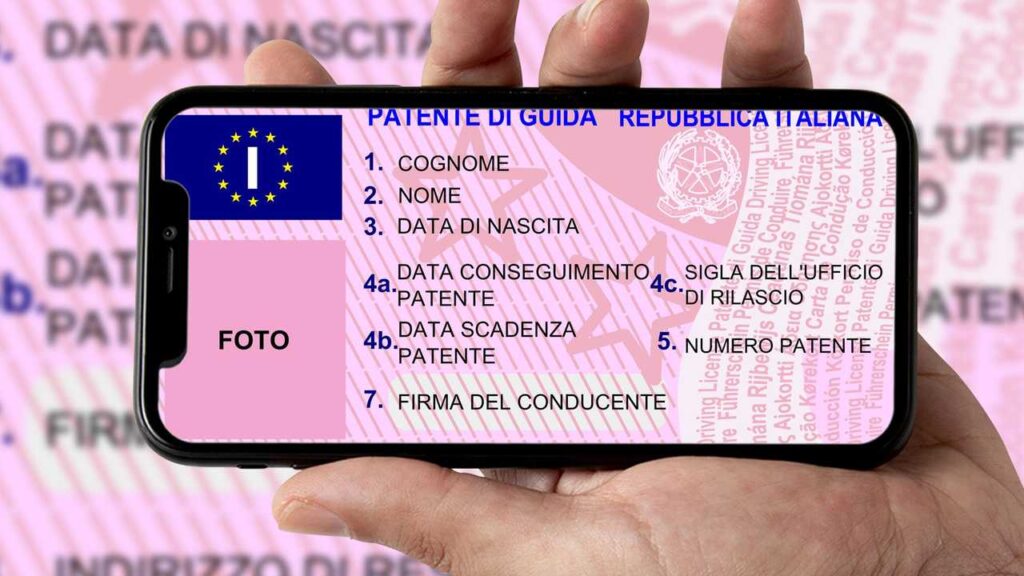
An EU driving license is a standardized license issued by any European Union or European Economic Area (EEA) country under EU Directive 2006/126/EC.EU Driving License in Italy
All EU licenses follow a unified format:
- Credit-card size plastic card
- Photo identification
- Standard vehicle categories
- Harmonized security features
Because of EU agreements, licenses issued by one member state are generally recognized across all others.EU Driving License in Italy
Can You Drive in Italy With an EU License?
Yes — in most cases, you can legally drive in Italy using your EU driving license without needing an Italian one.
EU countries mutually recognize each other’s licenses, meaning you can:
- Drive during holidays or short stays
- Drive after relocating to Italy
- Rent vehicles normally
- Register and insure a car
EU law ensures cross-border recognition of valid licenses among member states.EU Driving License in Italy
Basic Requirements
To drive legally in Italy, you must:
- Be at least 18 years old
- Hold a valid EU driving license
- Carry vehicle registration and insurance documents
These requirements apply to both Italian and EU drivers.
Do You Need to Exchange Your EU License for an Italian One?
This is the most common question — and the answer is not always.EU Driving License in Italy
✔️ You DO NOT Need Immediate Exchange If:
- Your license is valid
- It has an expiry date
- You recently moved to Italy
- You follow Italian traffic laws
EU residents can usually continue driving using their original license until it expires.
✔️ You MAY Need to Exchange If:
Italy can require conversion in certain situations:
- Your license has no expiry date
- You commit serious traffic offences
- Your license is lost or damaged
- You renew it while living in Italy
- After extended residency in some administrative cases
Authorities may verify your license with the issuing country before exchange approval.EU Driving License in Italy
The 2-Year Residency Rule Explained
Once you become an official resident in Italy, an important timeline begins.
After approximately two years of residency, your EU license becomes subject to Italian validity rules rather than those of the issuing country.
Example
- You move to Italy at age 50.
- Your EU license expires in 2040.
- After 2 years, Italian renewal timelines apply.
- Your license validity may shorten based on age.
This rule surprises many expats because their license suddenly follows Italian expiration standards.
Why Many EU Residents Choose to Exchange Early
Even when not mandatory, exchanging your EU license can be beneficial.
Advantages
- Easier renewals in Italy
- Simplified bureaucracy
- Inclusion in Italy’s driver points system
- Easier insurance procedures
- Faster handling after traffic violations
Many experts recommend voluntary exchange once residency is stable.EU Driving License in Italy
How to Exchange an EU Driving License in Italy
The exchange process is relatively simple compared to non-EU licenses.
Step-by-Step Process
- Become an official Italian resident.
- Book an appointment with:
- Motorizzazione Civile (Motor Vehicle Authority), or
- Authorized driving school.
- Submit required documents.
- Complete medical examination.
- Wait for approval and issuance.
No driving test is normally required for EU licenses.EU Driving License in Italy
Required Documents
Typical documents include:
- Valid EU driving license
- Italian residence certificate
- Identity document or passport
- Tax code (Codice Fiscale)
- Passport photos
- Medical certificate confirming fitness to drive
- Application forms
Authorities may contact your home country to verify license validity.EU Driving License in Italy
Medical Examination Requirements
Italy requires drivers to prove medical fitness.
The exam typically checks:
- Vision
- Reflexes
- General health condition
- Neurological fitness
This is standard for Italian drivers as well.EU Driving License in Italy
Validity Periods in Italy
Italian licenses have age-based renewal schedules.
Typical validity:
- Under 50 years → 10 years
- 50–70 years → 5 years
- 70–80 years → 3 years
- Over 80 → 2 years
Once exchanged, your license follows Italian renewal rules rather than those of your original country.EU Driving License in Italy
What Happens If You Don’t Exchange When Required?
If exchange becomes mandatory and you fail to comply:
- Your license may become invalid in Italy
- You risk fines
- Insurance claims could be rejected
- You may be treated as driving without a license
Always verify deadlines after residency registration.
EU License vs Non-EU License in Italy
Understanding the difference helps clarify why EU drivers have an easier process.
| Feature | EU License | Non-EU License |
|---|---|---|
| Recognition | Automatic | Limited |
| Exchange Needed | Sometimes | Often mandatory |
| Driving Test | Usually no | Often required |
| Validity After Residency | Long-term | Usually 1 year |
Non-EU licenses typically expire for Italian driving after one year of residency unless exchanged through agreements.EU Driving License in Italy
Driving in Italy as a Tourist (EU Citizens)
If you are visiting Italy temporarily:
You only need:
- Valid EU license
- Passport/ID
- Insurance documentation
No international driving permit is required for EU citizens.
Italian Driving Culture: What EU Drivers Should Know
Even experienced EU drivers notice differences in Italy.
Key Characteristics
- Narrow historic streets
- Aggressive urban driving
- Extensive roundabouts
- Strict speed cameras (Autovelox)
- ZTL zones (limited traffic areas)
Always check local restrictions before entering city centers.
The Italian Points License System
Italy uses a points-based license system.
- Drivers start with 20 points
- Violations deduct points
- Safe driving restores points over time
After exchanging your license, you become fully integrated into this system like Italian drivers.
Common Mistakes EU Expats Make
1. Ignoring Residency Status
Your legal obligations change once residency is registered.
2. Assuming Lifetime Validity
Italy does not allow indefinite licenses indefinitely.
3. Delaying Exchange Too Long
Administrative delays can take months.
4. Not Updating Address
Failure to update residency details can cause penalties.
Real Experiences From Expats (Community Insights)
Many expats report confusion about exchange timelines.
One Reddit user explained:
“You may drive with your EU licence until expiry… exchange required only in specific cases.”
Community discussions highlight that rules are clear legally but sometimes interpreted differently by local offices, so verifying with authorities is essential.
How Long Does the Exchange Take?
Processing time varies:
- 3–8 weeks typical
- Up to several months in busy cities
You may receive a temporary document while waiting, though not all countries recognize temporary permits abroad.
Costs of Exchanging an EU License
Estimated costs:
- Administrative fees
- Medical exam
- Photos and paperwork
Using a driving school costs more but simplifies the process.
Renewing an Italian License After Exchange
Once converted:
- Renewal happens entirely in Italy
- Medical checks required periodically
- Renewal reminders sent locally
This makes long-term residency easier.
Frequently Asked Questions (FAQ)
Can I keep two EU driving licenses?
No. EU law allows only one active EU license at a time.
Do I need to retake the driving test?
No, not for valid EU licenses.
Can I drive immediately after moving to Italy?
Yes, with a valid EU license.
Is an International Driving Permit required?
No for EU citizens.
Should I exchange my license voluntarily?
Often yes, especially for long-term residents.
Final Thoughts
Holding an EU driving license makes driving in Italy significantly easier compared to non-EU drivers. Thanks to EU harmonization laws, recognition is automatic, and conversion is usually simple.
However, residency changes your legal responsibilities. Understanding when and why to exchange your license ensures you remain compliant, insured, and stress-free while enjoying life in Italy.
Whether you’re relocating permanently or staying long term, managing your driving license early can save time, money, and administrative headaches.